Room Rentals
Rent one or more bedrooms while sharing common areas. This can be approachable, but privacy, compatibility, house rules, and local requirements matter.
Practical house hacking
House hacking can help offset housing costs while you live in the property, but the right approach depends on the numbers, the rules, the home, and the life you want to live.
I share what I have learned from about six years of personal house hacking, property ownership, and hands-on rental operations in Washington.
Licensed representation and independent operations. When I represent a buyer purchasing a house hacking property, that brokerage service is provided through KW West Sound. Airbnb, guest hosting, co-hosting, rental arbitrage, and other short-term rental operations are independent from KW West Sound and my Washington real estate license.
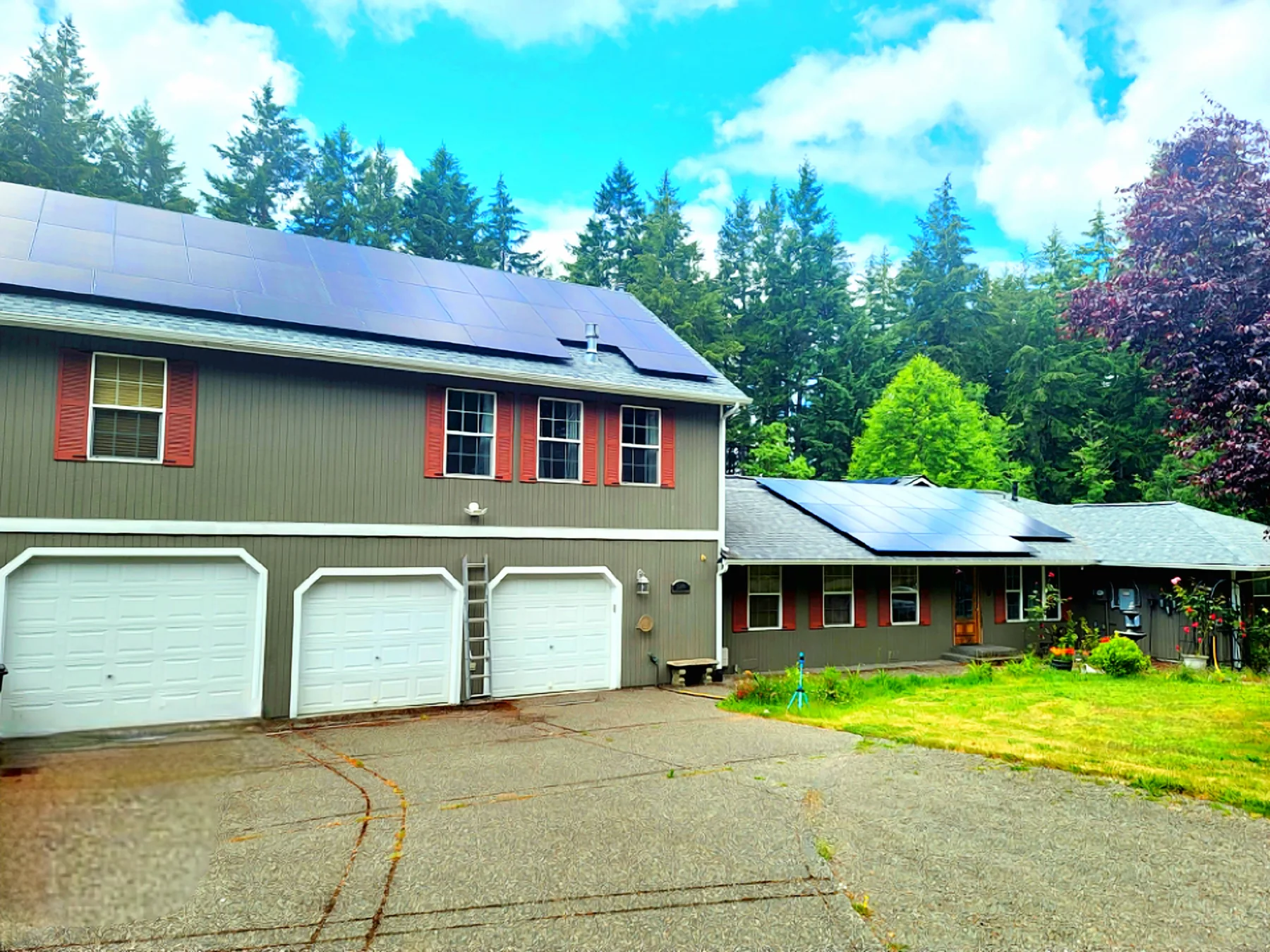
Start with the idea
House hacking generally means living in a property while using part of it to produce rental income or otherwise help offset housing costs.
You might rent a spare room, live in one unit of a small multifamily property, or use a permitted separate space for short-term or longer-term stays. It is still your home, which makes personal fit just as important as financial potential.
Possible benefits
House hacking is not guaranteed to make housing affordable or profitable. It can, however, give some owners a practical way to use part of a home while building experience.
Personal perspective
My experience gives me context for the practical questions. It does not make every strategy right for every person.
I have about six years of personal house hacking experience. That experience has included living with the day-to-day realities of sharing space, managing a property, working through rental questions, and adjusting a strategy when the property or my goals changed.
The idea can sound simple: buy or rent a home, use part of it to create income, and reduce your housing costs. In practice, it requires more than a spreadsheet. You are making choices about financing, property condition, local rules, other people, privacy, time, and the way you want to live.
I have about five years of property ownership experience across two properties. My goal is not to present those numbers as a promise of what someone else can achieve. They simply mean I have worked through real decisions as an owner and operator, including maintenance, guest and tenant communication, property setup, and changes in operating plans.
That experience taught me to look closely at both the numbers and the daily routine. A property can appear promising on paper and still be a poor fit if the layout, rules, repair needs, or shared living arrangement do not work for you.
I also have about five years of Airbnb and short-term rental experience, more than three years operating through an LLC, and experience with more than a dozen listings and growing. That work has included room rentals, whole-home rentals, co-hosting, rental arbitrage, property analysis, setup, and general consulting.
My Airbnb and short-term rental operations are independent from KW West Sound and are not services provided through my Washington real estate license.
Short-term rentals are only one possible house hacking approach. They usually involve more active work and more local restrictions than a longer-term rental. I can help someone identify questions and tradeoffs, but every property and market needs its own research.
Common approaches
The operating work, privacy, rules, and cost structure change with each approach.
Rent one or more bedrooms while sharing common areas. This can be approachable, but privacy, compatibility, house rules, and local requirements matter.
Live in one unit of a duplex, triplex, or fourplex and rent the others. Separate units can create clearer boundaries, though the property may cost more and carry added maintenance.
Host a room, accessory space, or permitted unit for shorter stays. This is typically more active and depends heavily on local rules, insurance, demand, and operating capacity.
Use a room or separate unit for a longer lease term. It may involve fewer turnovers, but screening, leases, tenant laws, and ongoing management still require care.
For eligible service members and veterans
I am a veteran and have personally used the VA home loan benefit once to buy property. That gives me practical perspective on the questions a veteran may want to explore when a primary home also has house hacking potential.
Occupancy, property eligibility, appraisal, underwriting, entitlement, and any rental plans need to be discussed with an appropriately licensed lender. The intended use also needs to follow applicable property and local rules.
Ask About VA Home BuyingA first purchase
A first home can already feel like a lot to learn. Adding a rental plan means thinking about homeownership and operations at the same time. You do not need to know every answer before asking questions, but you do need room in the plan for repairs, uncertainty, and the responsibilities that come with other people using the property.
Start with the home you can responsibly own. Then decide whether a rental strategy fits the property, your financing, and your everyday life.
A balanced decision
A useful analysis looks at the financial assumptions and the human arrangement together.
Run conservative numbers
Picture the routine
Look beyond the upside
Finding a reason to pause can be just as valuable as finding a property worth pursuing.
Related rental strategies
These ideas can overlap with house hacking, but they are not interchangeable.
A house hacker might host a room or permitted separate space for shorter stays while living at the property. This can require frequent communication, cleaning, setup, pricing decisions, and careful review of city, county, HOA, insurance, and financing requirements.
Rental arbitrage generally means leasing a property from an owner and, with clear permission and proper agreements, operating it as a rental business. Because the operator usually does not own and live in the property, it is different from house hacking. Lease terms and local rules are essential.
Practical help
I can help you slow the idea down, identify the important questions, and think through a property or strategy with practical experience behind the conversation.
Start with your questions
Tell me what you are considering, what kind of property you have in mind, and where you feel uncertain. We can talk through the tradeoffs without pretending there is one right strategy for everyone.