Just Getting Started
For newly enlisted and early-career service members thinking about education, certifications, technical skills, career development, and future opportunities.
Veteran mentorship
I share practical perspective from military service, technical careers, Boeing, Microsoft, education, real estate, and the transition into civilian life.
You do not need to already know exactly what you want to do before reaching out.
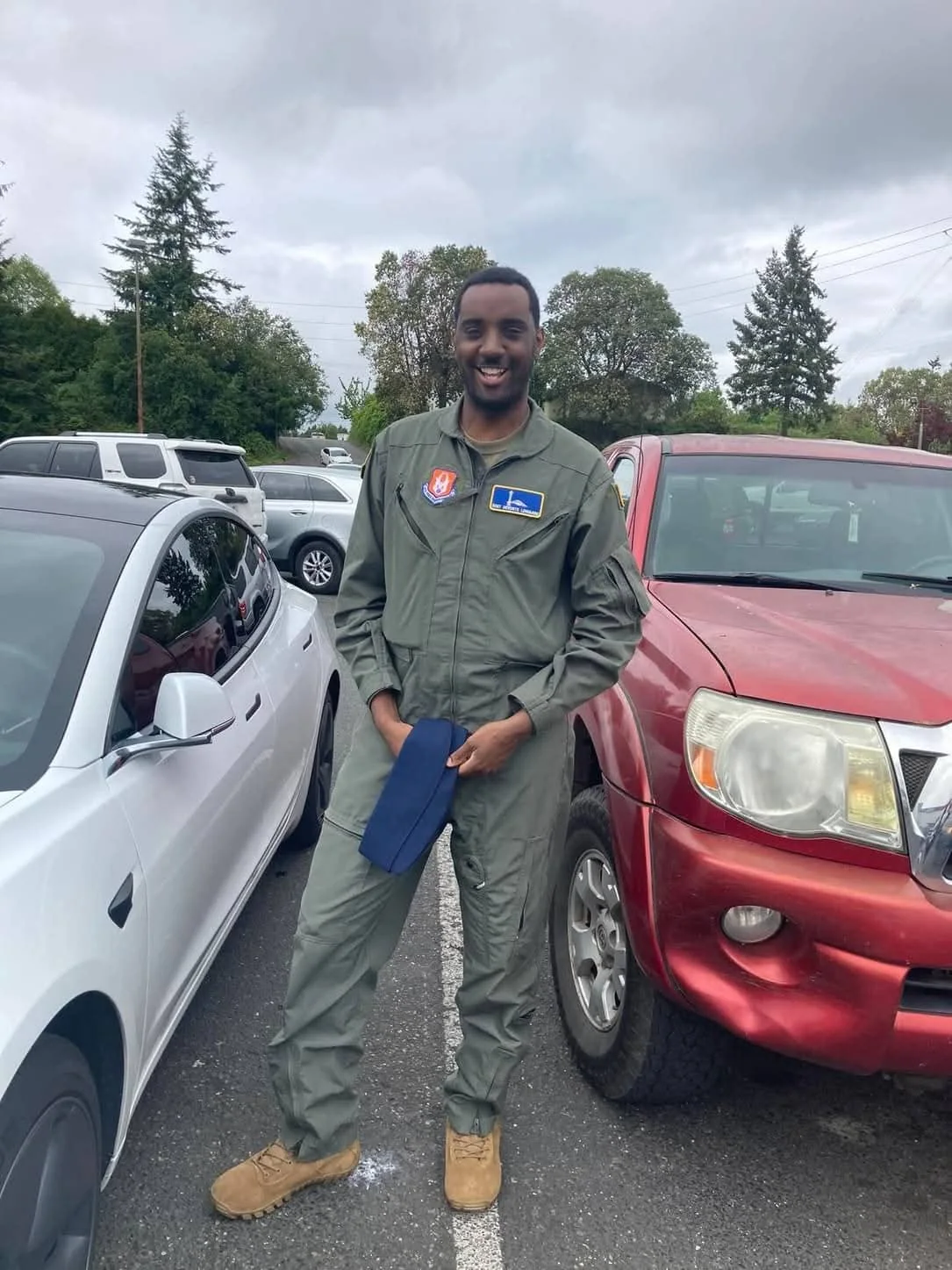
Support across the military lifecycle
Mentorship does not need to begin only when separation orders arrive. Earlier questions can create more time to learn, prepare, and choose.
For newly enlisted and early-career service members thinking about education, certifications, technical skills, career development, and future opportunities.
For people developing skills, considering promotion and education, exploring technical work, or deciding whether continued service fits their long-term goals.
For service members translating experience, exploring civilian careers, learning corporate environments, comparing education options, and preparing for life after service.
For veterans still working through career direction, technology, education, homeownership, benefits resources, networking, or professional growth.
Firsthand perspective
I am sharing experience, not presenting one path that everyone else should follow.
I served in the United States Navy from August 2012 through February 2016. My work included component-level electronics troubleshooting, hands-on technical work, systems thinking, and methodically working through technical problems.
I later served in the United States Air Force Reserve from July 2017 through May 2025. Those two periods of service gave me experience with different stages of military life and with balancing service alongside civilian goals.
My technical path moved from military electronics into technician work at Boeing, then into software engineering and Microsoft. Along the way, I developed experience in cybersecurity, full stack development, cloud and distributed systems, automation, and AI. I also pursued education, property ownership, real estate, and house hacking.
I learned many of those lessons through trial, research, questions, and persistence. I did not always know the right next step in advance. Helping another service member or veteran ask better questions earlier, understand more options, or avoid learning everything the hard way is meaningful to me.
Military life can teach us to solve problems for the mission while leaving our own career, education, benefits, and transition decisions largely up to us. I want to be a practical sounding board for those decisions.
I will share what I know honestly. When a question belongs with a licensed, accredited, or specialized professional, I will say so and help identify the kind of resource to look for.
Mentorship and practical conversation
I can listen, share what I have learned, help you organize questions, and point toward the right kind of resource when the answer is outside my role.
Civilian career transition
Transition can involve translating your experience, learning unfamiliar workplace norms, and testing career ideas before choosing a direction.
I cannot promise employment or get someone hired. I can help you think through how your experience may connect to civilian work and practice telling that story clearly.
Technology careers
My own progression started with physical systems and electronics before moving into software systems. Technology includes many kinds of work and many possible entry points.
My background includes military electronics, Boeing technician work, software engineering, Microsoft, cybersecurity, full stack development, cloud and distributed systems, automation, and AI. I can share perspective on learning paths, portfolios, interviews, and the realities of changing technical disciplines.
Explore TechnologyCivilian growth
The useful path depends on your goals, your existing experience, and what you need to learn next.
Working in military environments, at Boeing, and at Microsoft gave me perspective on entering organizations with different structures and expectations. Every company is different, but these are useful areas to think through:
A degree can be useful, but not every goal requires the same education. College, degree completion, certifications, technical training, and self-study are tools to compare, not one universal answer.
Verify current education-benefit eligibility and requirements through official sources before making a decision.
VA homeownership perspective
I am a veteran, a licensed Washington real estate professional, and I have personally used a VA loan once to purchase property. I also have personal experience with homeownership, real estate investing, and house hacking.
I can help you think through first-time buying, property fit, possible house hacking, and how a home may connect to longer-term ownership goals.
Disability claims resources
If you are trying to understand where to seek help with a disability claim, I can help you look for an appropriate starting point and encourage you to understand and advocate for your rights.
I do not prepare or file claims, represent veterans before the VA, determine disability ratings, give legal advice, or promise benefit outcomes.
Resource library
The resource framework covers the common areas below. Only reviewed public entries will appear as the library grows.
Verified resources will be added here as the library grows.
Ask better questions earlier
Military life often trains us to solve problems for the mission while our own career, education, benefits, and transition decisions stay on the side. A practical conversation can help turn a large unknown into the next few questions worth answering.
I will not pretend to know everything. I can share what I have learned, listen to what you are trying to work through, and be clear when another professional or resource is the better next step.
A simple place to begin
Tell me where you are, what you are trying to figure out, and what feels stuck. If I can help, I will. If the question belongs with someone else, I can try to point you toward the right kind of resource.